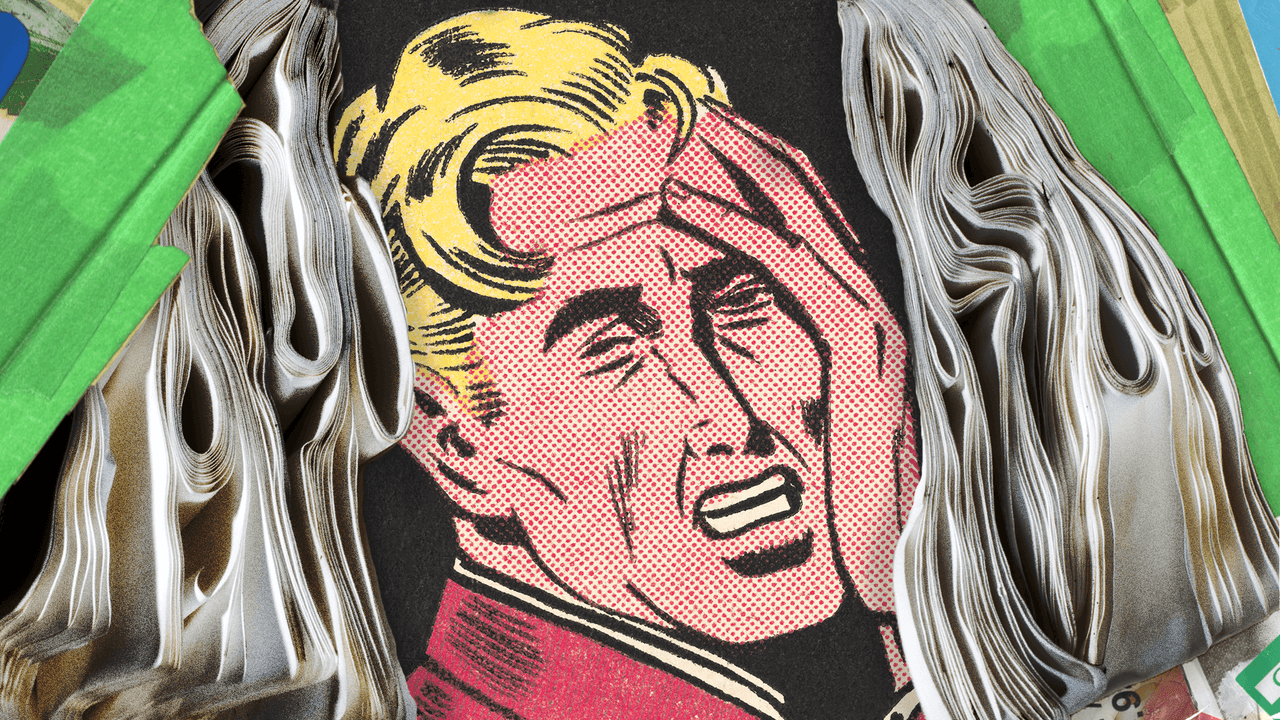
Just over two years ago, I became “officially” chronically ill after I was diagnosed with Polycystic Ovary Syndrome, or PCOS, which can affect one in 10 Canadian women of reproductive age.
PCOS is a reproductive and endocrine disorder that causes irregular periods, cysts on the ovaries, elevated androgens and possible infertility. It also affects the metabolism, which can result in insulin resistance, diabetes and obesity. Trans and non-binary people with ovaries are also affected by PCOS—studies have shown that up to 58 percent of transmasculine respondents experience the condition.
Despite 12 years of frustration and paranoia over heavily delayed and skipped periods, I hadn’t sought this diagnosis out—I had originally booked an appointment with a doctor who specializes in women’s health in order to get an intrauterine device (IUD).
During my appointment, the doctor asked me a couple of questions that addressed issues that I had been plagued with since I hit puberty: Did I find it hard to lose weight? Did I have constant irregular periods?
These questions set off alarm bells: I had never been able to lose weight in a healthy manner and I’d had my fair share of pregnancy scares due to late periods.
Off to the ultrasound labs I went. After a round of blood tests and ovarian ultrasounds, it was confirmed. I had PCOS and insulin resistance. In order to manage the insulin resistance, I started taking the diabetes drug Metformin—which worked, until it didn’t. Next, I was urged to take Ozempic, which worked wonders to reduce my elevated blood sugar (A1C), but left me with brutal side effects such as nausea, chronic fatigue and brain fog—which in turn made being a functional human hard. I have good days and bad days. On good days, showering, going to work and cooking dinner are all easy. On bad days, I can barely get out of bed.
Not being able to complete tasks feels like a moral failure, especially since we’ve all been conditioned by capitalism to grind 24/7. I’m tired all the time, but I feel guilty about feeling tired. My body needs rest, yet I push myself to constantly work
I knew I wasn’t alone. Queer adults are more likely than their heterosexual counterparts to have chronic illnesses. And trans people are particularly at risk, experiencing higher rates of asthma, diabetes, chronic obstructive pulmonary disease (COPD) and HIV, among other illnesses, in comparison to their cis peers.
I also knew that I needed to learn to rest, and to move away from the parts of me that felt pressure or shame when I couldn’t complete the tasks I ideally wished to finish. But developing strategies was easier said than done—so, I went looking for advice.
While there are many ways of defining chronic illness, Kathleen Martin Ginis, director of the Centre for Chronic Disease Prevention and Management at the University of British Columbia, says, “If a person has a condition that’s interfering with their ability to do the things they want to do, then that’s a good way of defining chronic illness or disability.”
One thing Martin Ginis says she often sees in chronically ill people is a tendency to constantly compare their current capabilities to what they used to be able to accomplish. “Maybe you used to run long distances, go for long hikes or ride a bike,” she says. “Constantly comparing yourself to what you used to be able to do is demoralizing. It can put people in a difficult mental state.”
By lamenting the things your body no longer lets you do, you could lose motivation to participate in the things your body actually can currently handle. Instead, Martin Ginis says it’s important to allow yourself some self-compassion and to focus on what you can do now.
“Whether it’s walking a few steps out the door or just being able to do a little bit of activity within your home—some days that might be all that you can do, and that’s okay. And some days it might be that you can’t do anything, and that’s okay too,” says Martin Ginis.
Another way to be gentle with yourself is to set aside societal expectations of what you “should” be able to accomplish. Martin Ginis says just because the World Health Organization says adults should do at least 150 minutes of physical activity a week, for example, that doesn’t mean the benchmark is feasible for everyone.
“Most of the studies that led to this guideline did not include people with disabilities or other chronic health conditions. So being able to work with a fitness trainer, or even just to be able to read up and to get evidence-based information on appropriate levels of physical activity for someone with your condition [is] super important.”
What does exercising self-compassion look like in practice? For disabled performer and activist Yuki B. Ng—who is chronically ill—it looks like purposeful bedrotting. On days where they don’t have enough energy to get out of bed, they don’t. They create a nest of what they need for the day, like snacks, medications and activities, which are all within arm’s reach. That way, they don’t need to physically leave their bed.
“Instead of feeling like, ‘Oh no, it’s another day where I can’t leave the bed.’ I think, ‘You know what? I’m going to set everything up in this room.’ I give myself permission to have those days,” says Ng.
For Ng, pushing themselves to move through low-energy days means prolonging exhaustion. “If I take today to actually rest, then I’ll have the energy to do something tomorrow,” they say. “And I’ve decided that that is more important than, say, pleasing people.”
Going easy on yourself isn’t just a way to preserve your physical energy—it’s also, Martin Ginis says, crucial for protecting your mental health. When you’re regularly speaking down to yourself it can induce feelings of negative self-worth and a loss of self.
Conversely, resting is a chance to reset. For Ng, it helps to imagine their body as an appliance that’s low on battery. “I like to think of it as, your body needs a charge, like anything else, and when it's charging, you can’t really use it,” they say. That’s what’s happening when you’re charging your body, and it’s okay.”