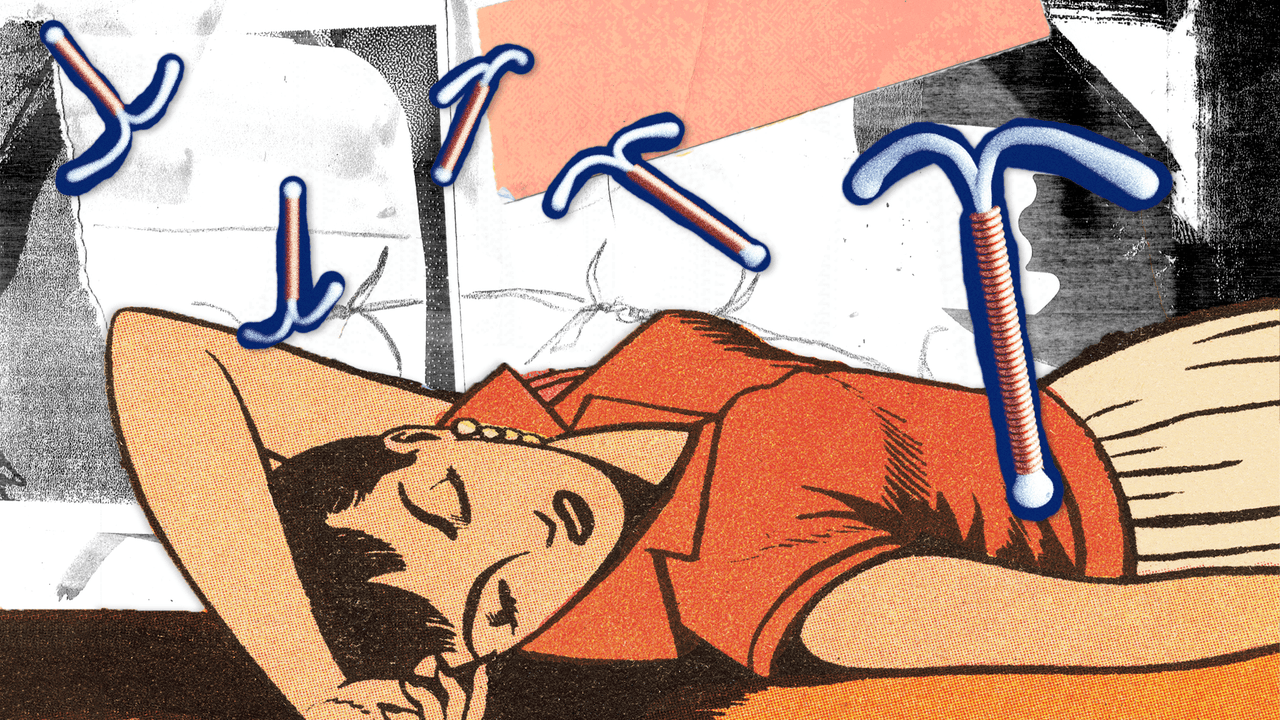
I got my IUD in Atlanta. It was back around 2009, and the Affordable Care Act wasn’t yet law at the time, so insurers could deny coverage for long-acting, reversible contraceptives (LARCs), some of the most effective forms of birth control. I didn’t want to be pregnant, and I couldn’t tolerate the pill or the patch or the ring or the implant. So I opted to pay $700, nearly half of my monthly graduate research assistant salary, out of pocket for a bundle of copper wires to keep me safe.
The non-profit clinic staff were kind and knowledgeable, and did everything they could to minimize my pain, but I was still stunned at the intensity of insertion.
Thankfully, IUDs are now covered by most insurance plans in the U.S. by law—although specific brands may incur out-of-pocket costs. Coverage in Canada varies by province. But while we’ve reduced the cost of access, many providers remain unaware of best-in-class pain-prevention and -management techniques.
To walk us through what works—and why so many providers aren’t yet up to speed—I reached out to Arundhati Dhara, MD, MPH, CCFP, assistant professor in the Department of Family Medicine at Dalhousie University, and a family physician who routinely provides reproductive care to diverse populations.
What is an IUD?
An IUD is an intrauterine device and typically measures about three centimetres by three centimetres. It’s shaped like a T and sits in your uterus, where it works to prevent pregnancy.
IUDs do not prevent sexually transmitted infections (STIs).
What types of IUDs are there?
There are two main types: hormonal and non-hormonal.
Hormonal IUDs like Mirena use a small dose of levonorgestrel to prevent pregnancy. They last three to eight years and are over 99 percent effective. Many people find that their periods slow or stop completely with a hormonal IUD.
Non-hormonal IUDs like Paragard use copper to prevent pregnancy. (Fun fact: copper makes it harder for sperm to swim.) They last up to 12 years and are over 99 percent effective. Many people find that they have heavier periods and cramps with a copper IUD.
How does IUD insertion work?
It starts with prep: your provider inserts a speculum into your vagina or front hole, applies an antiseptic solution, applies local anesthetic and measures the depth of your uterus to make sure there’s enough room for the IUD.
Next, your healthcare provider inserts a thin tube through the opening in your cervix into your uterus, then releases a lever. The IUD pops out of the tube, and its two arms unfold to create the T shape.
Finally, it’s time for a cross-check: your provider withdraws the tube, verifies that the IUD is correctly placed, and trims the strings that exit through your cervix to about three centimetres in length.
Why does IUD insertion hurt so much?
Have you ever tried to put your finger through a finger-size hole in your sweater, and noticed you had to press a bit to expand the fabric?
That’s pretty much what’s happening in IUD insertion. The diameter of the insertion tube is about four to five millimetres. The diameter of the cervical opening is about one to four millimetres in people who haven’t given birth. Since the cervix isn’t completely rigid, it works—but it’s not at all pleasant.
How bad is it really?
“I had more pain with [IUD insertion] than childbirth,” says Dhara.
That said, some people don’t experience much sensation at all. It truly does vary.
Pain is a personal and subjective experience. Sometimes what’s worse than the pain itself is your healthcare provider not believing you about your experience or intensity of pain—an all too common aspect of systemic bias.
What can I do to minimize pain?
First and foremost: find a provider you trust, who takes you seriously and who works with you and your body. Your provider should be able to have clear, direct, non-judgmental discussions with you about why you’re considering an IUD and what you’re concerned about. They should help you based on the anatomy you have, not the gender marker on your chart, while gendering you correctly. They should explain any sexual side effects in the context of the types of sex you actually have, which requires them to ask you rather than assume particular activities or partners. For example, if a provider tells you about the risks of unprotected sex, that discussion should reflect the types of sex you are actually having. They should actively work with you to minimize pain.
Ask your provider for a pain-prevention and -management plan before your appointment. Talking to your provider about how the procedure works, what to expect the day of and afterward, and any specific concerns you have is your best bet. Studies show that this kind of thorough pre-procedure conversation can help alleviate both anxiety and pain.
During the procedure, your provider can use a local anesthetic cream, spray or injection to numb the cervix.
After the procedure, taking ibuprofen may help—though, strangely, taking ibuprofen before or during the procedure doesn’t seem to have an effect. Since cramps are common post-insertion, you may also want a heating pad and anything else you find comforting during cramps.
How long does the pain last?
The insertion itself lasts less than ten minutes, though it can feel like an eternity.
After the procedure, you may experience cramping for several days.
Your first period after insertion may be heavier or have more intense cramps than normal.
How do I know when the pain goes beyond what’s “normal”?
Once you’re home, any post-procedure pain should be no worse than what you’ve experienced during a particularly painful menstrual period. If abdominal pain is worse than your own baseline for a painful period, call your healthcare provider.
Other signs to watch out for: if you’re bleeding so much that you soak a menstrual pad in less than an hour, if you run a fever or feel chills or if you notice discharge or bleeding that smells off, call your healthcare provider.
Any further tips?
Your body is your body. Your pain is real. Advocate for yourself. Speak up.